The Science Behind Deep Pressure Stimulation: What Research Shows in 2026
How does deep pressure stimulation work? The neuroscience of vagus nerve activation and cortisol reduction, in plain language.

The DPS Editorial Team
Editorial Team ·
📖 Table of Contents
Affiliate Disclosure: As an Amazon Associate I earn from qualifying purchases. Some links on this page are affiliate links — if you buy through them, we receive a small commission at no extra cost to you. This never influences which products we recommend. Full disclosure policy →
If you’ve ever felt instantly calmer after a firm hug, you’ve experienced deep pressure stimulation in its most basic form. But what’s actually happening inside your nervous system? The answer involves your vagus nerve, a cascade of hormones, and a fundamental shift in your brain’s threat-detection circuitry.
Here’s what the research says, in plain language.
What Is Deep Pressure Stimulation?
Deep pressure stimulation (DPS) is the application of firm, gentle, distributed pressure to the body. Unlike light touch, which activates the nervous system, deep pressure has a calming, organizing effect. It can be delivered through weighted blankets, compression garments, therapeutic massage, firm hugs, or purpose-built sensory tools.
The effect isn’t a placebo. It’s a documented neurological response that has been studied in clinical settings since the 1980s, when animal scientist and autism advocate Temple Grandin designed her famous “squeeze machine” and found it produced profound relaxation.
How Deep Pressure Works: The Neurological Pathway
When firm pressure is applied to your skin, two things happen almost simultaneously:
Step 1: Mechanoreceptor Activation
Your skin contains specialized nerve endings called mechanoreceptors, particularly Ruffini endings and Meissner corpuscles, that are specifically tuned to detect sustained, distributed pressure. When activated, these receptors send signals up to the brain’s reticular formation, which acts as a filter and relay station for sensory input.
The reticular formation then routes these signals to the vestibular system, the part of your brain responsible for balance, body awareness, and spatial orientation. This is why deep pressure has such a strong effect on your sense of “groundedness.”
Step 2: The Autonomic Shift
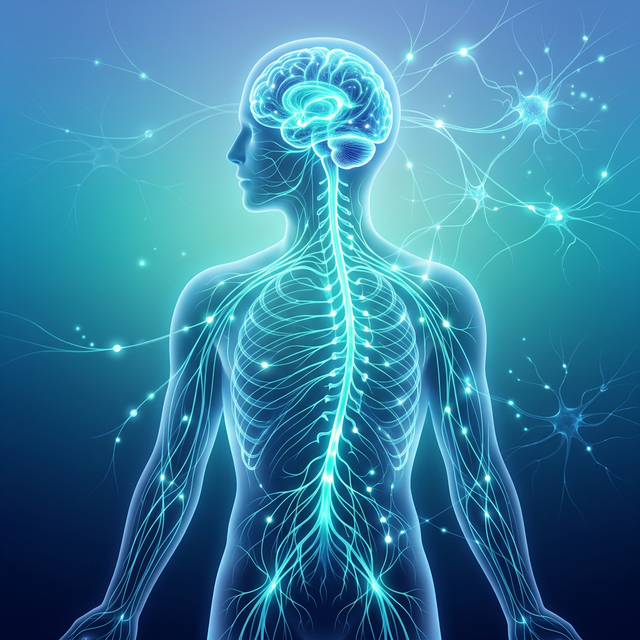
This is where the real magic happens. The signals from deep pressure input trigger a measurable shift in your autonomic nervous system (ANS), the system that governs your body’s automatic functions like heart rate, breathing, and digestion.
Your ANS has two main modes:
- Sympathetic (“fight or flight”): Activated by stress, threat, and danger. Raises heart rate, elevates cortisol, increases alertness.
- Parasympathetic (“rest and digest”): The calm, recovery state. Lowers heart rate, promotes digestion, reduces anxiety.
Deep pressure stimulation reliably shifts the ANS from sympathetic dominance toward parasympathetic activation. The primary mechanism is through the vagus nerve, the longest cranial nerve in the body, which connects the brain to the heart, lungs, and gut. Deep pressure activates vagal tone, which acts like a brake on the body’s stress response.
The Hormone Picture: Cortisol, Serotonin, and Melatonin
The autonomic shift triggered by DPS produces measurable changes in neurochemistry:
Cortisol Reduction
Cortisol is the body’s primary stress hormone. Studies have shown that deep pressure therapy can reduce salivary cortisol levels by up to 31% in a single session. This isn’t a small effect, it’s comparable to the cortisol reduction produced by moderate aerobic exercise.
Serotonin and Dopamine Increase
DPS stimulates the release of serotonin (the “calm and focused” neurotransmitter) and dopamine (associated with reward, motivation, and positive mood). This is why weighted blankets often produce a noticeable mood lift, not just anxiety reduction.
Melatonin Production
Serotonin is also the precursor to melatonin, the hormone that governs your sleep-wake cycle. Increased serotonin from DPS naturally supports melatonin production, explaining why weighted blanket use is consistently associated with improvements in sleep quality and sleep onset time.
What the Research Shows
The clinical evidence for deep pressure stimulation has grown substantially since the early case reports:
Sleep studies: A 2020 study published in the Journal of Clinical Sleep Medicine found that weighted blanket use improved sleep quality scores by 35% in adults with insomnia. A 2024 meta-analysis of psychiatric patients confirmed significant improvements in total sleep time, sleep onset latency, and insomnia severity.
Anxiety reduction: Multiple studies in occupational therapy literature have documented reduced self-reported anxiety, lower heart rate variability, and decreased galvanic skin response (a measure of physiological stress) following DPS interventions.
Autism and SPD: In populations with sensory processing differences, DPS has been shown to reduce sensory-seeking behaviors, improve task focus, and decrease behavioral outbursts, consistent with the organizing effect on the nervous system.
Cortisol: Controlled studies measuring salivary cortisol before and after therapeutic massage (a form of DPS) have consistently found significant reductions, with effects lasting 30–60 minutes post-session.
Who Benefits Most From DPS?
While almost anyone can benefit from deep pressure, the research shows the strongest effects in people who are in a state of elevated sympathetic arousal, in other words, people who are anxious, overwhelmed, or dysregulated. This includes:
- Anxiety disorders: Generalized anxiety, panic disorder, PTSD
- Autism spectrum disorder: Particularly for sensory-seeking individuals
- Sensory Processing Disorder (SPD): Both sensory-seeking and sensory-avoiding presentations (with appropriate calibration)
- ADHD: Deep pressure can support the sustained attention that dopamine deficits make difficult
- Insomnia: Especially when driven by nighttime anxiety and hyperarousal
- Chronic stress: Everyday cortisol overload from work, caregiving, or high-demand environments
Why It’s Not the Same as Light Touch
It’s worth being explicit about this: light touch and deep pressure have opposite effects on the nervous system.
Light, tickling, or unexpected touch activates the sympathetic nervous system, it’s alerting and potentially threatening. This is why unexpected touch can startle or irritate someone with sensory sensitivity.
Deep, sustained pressure activates the parasympathetic system, it’s calming and organizing. This is also why the pressure needs to be distributed and steady, patchy or variable pressure doesn’t produce the same neurological shift.
This distinction matters for choosing therapeutic tools. A flimsy weighted blanket that doesn’t distribute weight evenly won’t deliver consistent DPS. An improperly weighted compression vest may actually increase arousal rather than reduce it.
The Bottom Line
Deep pressure stimulation works through a well-documented neurological pathway: mechanoreceptor → reticular formation → vestibular system → vagus nerve → parasympathetic shift. The result is a measurable reduction in cortisol, an increase in serotonin and dopamine, and an objective improvement in anxiety, sleep, and sensory regulation.
It’s not a cure, and it’s not magic. But for the right people in the right context, it’s one of the best-evidenced non-pharmacological interventions available.
Frequently Asked Questions
Is there peer-reviewed research supporting deep pressure stimulation?
Yes. DPS is supported by a growing body of peer-reviewed research in occupational therapy, neuroscience, and sleep medicine journals. Key studies include a 2020 Journal of Clinical Sleep Medicine study on weighted blankets for insomnia and a 2024 meta-analysis on weighted blankets in psychiatric populations. The physiological mechanisms are well-documented, even though some specific applications (like sensory swings for autism) need larger randomized trials.
How quickly does deep pressure stimulation work?
Most people notice the calming effect within 5–15 minutes of sustained DPS. Measurable changes in heart rate and cortisol levels have been recorded within a single 20–30 minute session. For sleep, the effects become more pronounced over consistent nightly use.
Is deep pressure stimulation safe?
DPS is safe for most healthy adults and children. Exceptions include infants, toddlers under age 2, anyone unable to remove the pressure independently, and people with certain respiratory or circulatory conditions. Always consult a qualified occupational therapist for individualized guidance, especially for children.
What is the vagus nerve and why does it matter for DPS?
The vagus nerve is the tenth cranial nerve and the longest nerve in the body, connecting your brain to your heart, lungs, and digestive organs. It's the primary driver of parasympathetic (calming) nervous system activity. Deep pressure activates vagal tone, essentially turning up the body's natural calm response and turning down the stress response.
Dive deeper:
The DPS Editorial Team
Editorial Team
The DeepPressureStimulation.com Editorial Team researches and writes about deep pressure stimulation, weighted blankets, and sensory tools. We are not licensed occupational therapists or medical professionals. All content is based on peer-reviewed research, published clinical guidelines, and reputable health sources. Always consult a qualified healthcare provider before starting any new therapy.
Stay Informed, Stay Calm
Get science-backed articles on deep pressure therapy, weighted blankets, and sensory tools delivered to your inbox. No spam — just calm.
📬 No spam, ever. Unsubscribe anytime.