Anxiety
Compression Clothing for Anxiety: How Deep Pressure Garments Calm the Nervous System
Daytime compression for anxiety: squeeze is not a protocol. Skip flags and listing checks.
· 5 min read
Compression clothing, weighted tools, safety guidance, and anxiety resources
Compare deep compression therapy, weighted blankets, compression vests, lap pads, and other deep pressure tools for anxiety-related body tension, restlessness, and sensory overload.
Deep compression therapy is the use of snug, elastic, or wraparound pressure to give the body steady tactile and proprioceptive input. It is closely related to deep pressure stimulation, but compression usually comes from fabric tension rather than weight.
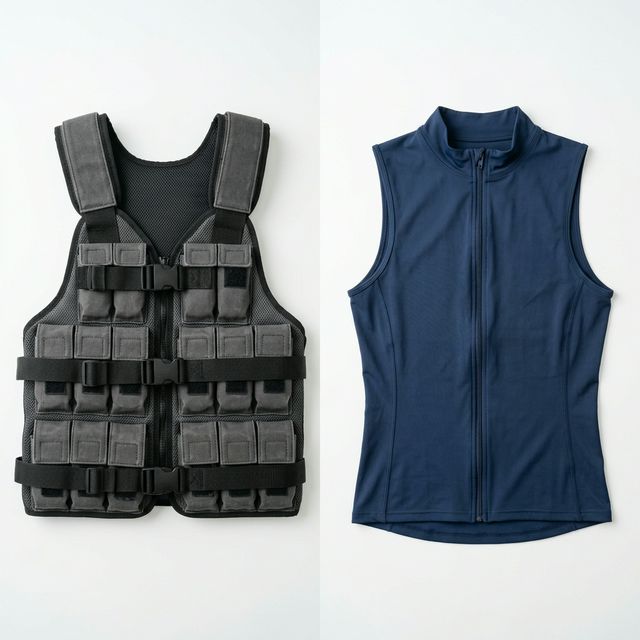
Examples include compression shirts, compression vests, sensory sleeves, compression sheets, and body socks. Some people use these tools because anxiety can feel physical: tight muscles, a racing body, restless limbs, shallow breathing, or a sense of being ungrounded.
The best evidence-backed framing is cautious. Research on deep pressure and sensory interventions suggests some people experience calming or improved comfort, but response varies by person and context. NIMH describes anxiety disorders as medical conditions that may require psychotherapy, medication, or both, so compression tools belong in the support-tool category rather than the treatment category.
Start with the context where anxiety is most physical. A person who gets restless at a desk may need a different tool than someone who struggles to settle at bedtime.
Discreet pressure under everyday clothes during work, school, travel, or overstimulating errands.
Safety: Choose breathable fabric and stop if pressure restricts breathing, movement, or circulation.
Choose compression clothingAdjustable torso pressure when the user wants firm input without blanket weight.
Safety: Use short trials first. The wearer must be able to loosen or remove the vest independently.
Compare compression vestsEven pressure during evening wind-down, couch rest, or sleep routines when heat and weight are tolerated.
Safety: Avoid overly heavy blankets. Do not use if the person cannot remove the blanket on their own.
See weighted blanket picksSeated pressure for desk work, appointments, meals, travel, or therapy sessions.
Safety: Keep weight conservative and place it on the lap, not the chest, neck, or face.
Read lap pad guidanceSources and further reading: NIMH anxiety disorders overview, NIMH generalized anxiety treatment guidance, deep pressure physiological study, and weighted blanket randomized trial.
A “calming compression shirt” thumbnail does not tell you chest measurement, whether the vest unzips with one hand, or whether you already feel worse under weight. If panic, trauma triggers, or heat are the main pattern, buy nothing until a short calm-period trial of clothing you already own (a snug base layer) tells you pressure is even wanted.
Daytime compression for anxiety: squeeze is not a protocol. Skip flags and listing checks.
Desk notes on compression shirts and vests for anxiety: fit, fabric, wear-time, and listing checks Amazon skips.

Kids weighted blanket chart, independence test, and listing checks before you buy a child SKU sold as an adult twin.
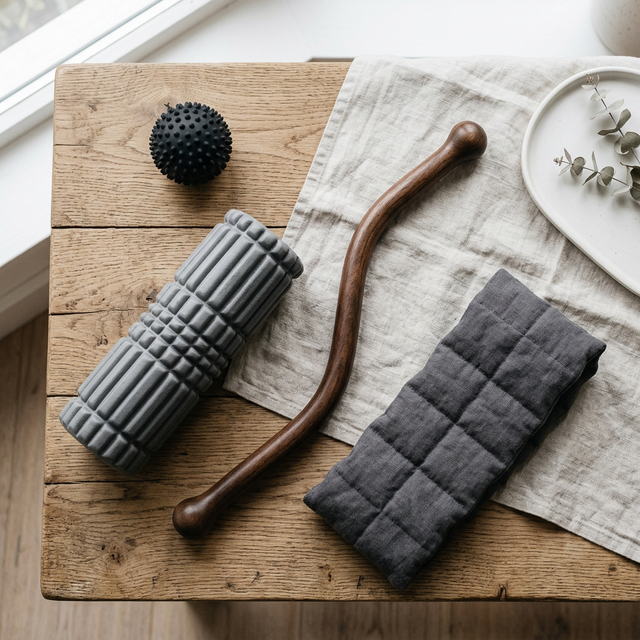
Self-massage pressure: skip flags, listing checks, when a tool is the wrong aisle. Not a clinic.

Learn what a deep pressure therapy dog does, how DPT differs from comfort, which breeds fit the task, and what ADA service dog rules require.

Adult proprioceptive activities: heavy work, compression, skip flags, and listing checks — not a hormone protocol.

Weighted stuffed animals deliver 1.5-5 lbs of portable deep pressure for anxiety relief. Research, product picks, and who benefits most.
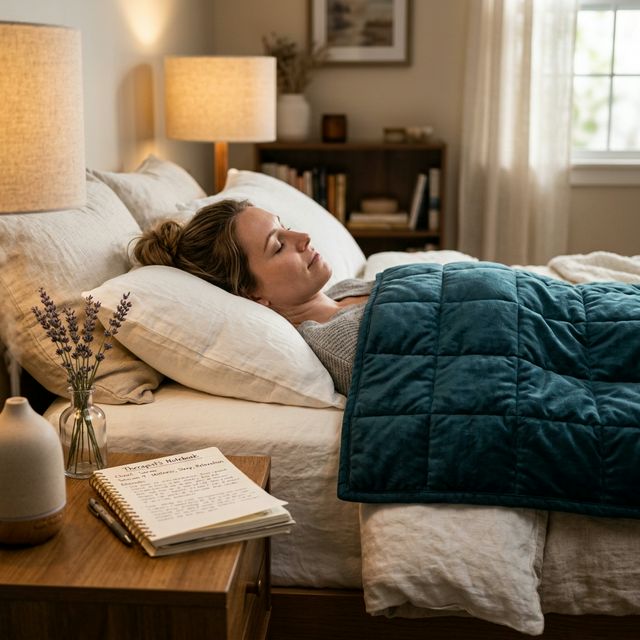
Choosing a weighted blanket? Learn how to pick the right weight, size, fabric, filler, and safety setup for anxiety, sleep, and sensory comfort.
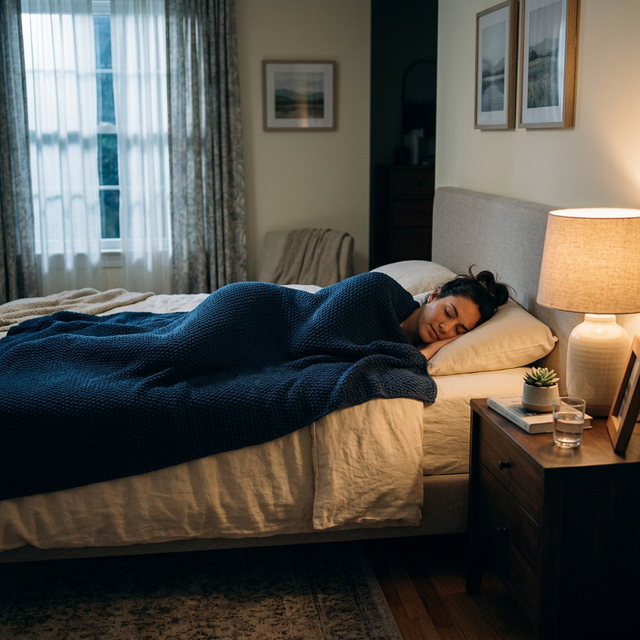
A 2020 study found weighted blankets reduced insomnia severity by 50%. Learn how deep pressure therapy helps with sleep onset, quality, and duration.
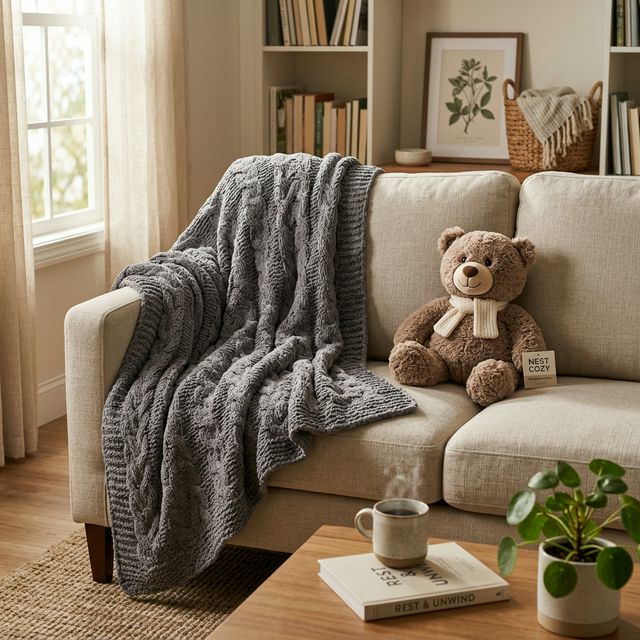
Weighted blankets cover the full body for sleep; weighted stuffed animals are portable for on-the-go calm. Compare weight, use cases, and who each suits best.
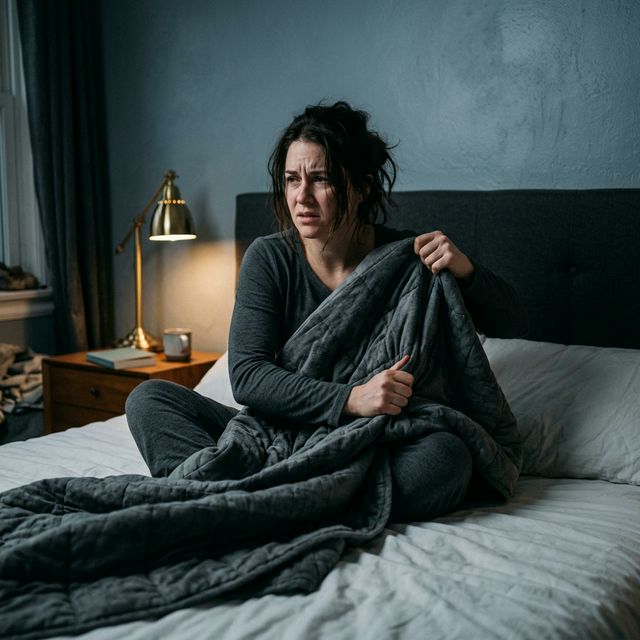
When a weighted blanket backfires: skip signs, listing checks, and calmer alternatives from published research, not a test fleet.
Can deep pressure therapy help insomnia? We review the clinical evidence for weighted blankets and DPS tools for anxiety-driven sleep issues.
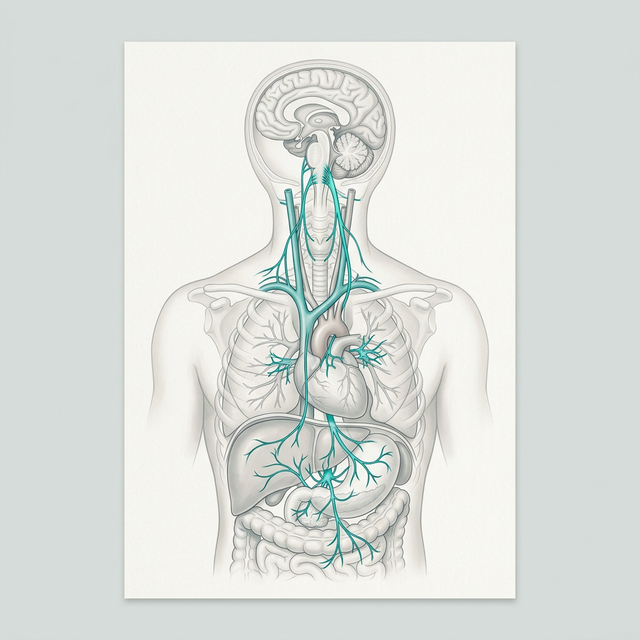
Vagus-nerve marketing vs listings: skip flags, what pressure cannot do. Not a VNS protocol.
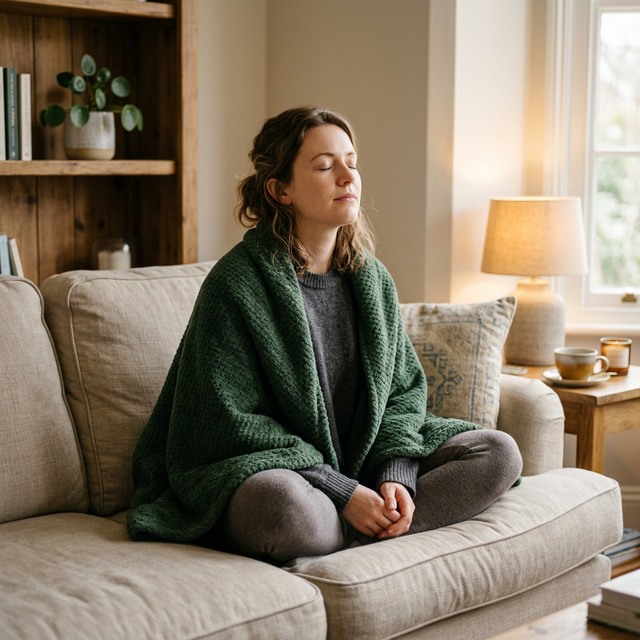
Can a weighted blanket help during a panic attack? Recovery notes, skip flags, and listing checks — not a diagnosis.

Kids weighted blanket safety: 10% weight ceiling, independent removal, listing checks, and when to skip the buy.
![Deep Pressure Stimulation: The Complete Science-Backed Guide [2026]](/images/hero/dps-guide.jpg)
Everything you need to know about deep pressure stimulation. How it works, its benefits, and how to use it for anxiety, autism, and sleep.

Compare 2026 anxiety weighted blankets by fit, wash, and return friction — not just the Amazon title weight.
Common questions about deep compression therapy, pressure stimulation, and anxiety support tools.