Sensory sleeves, compression tools, fidgets, and weighted supports

Sensory Tools, Sleeves & Fidgets

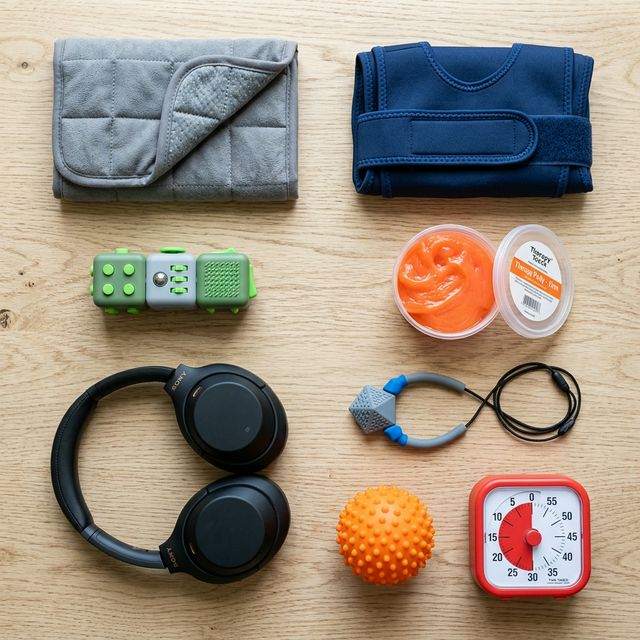
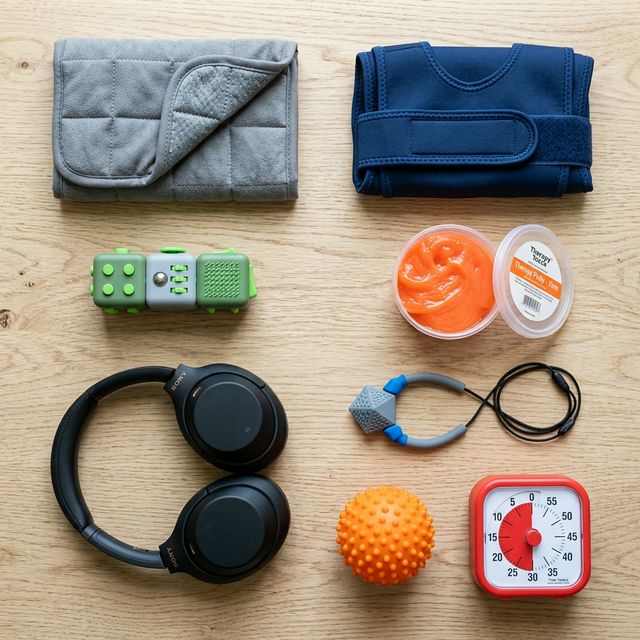
Find sensory tools that provide calming proprioceptive input. Compare sensory compression sleeves, weighted lap pads, compression vests, body socks, and tactile fidgets for school, work, travel, and home routines.

What are sensory sleeves?

Sensory sleeves are stretchy compression sleeves worn on the arms, wrists, or sometimes legs. They are usually made from Lycra, spandex, nylon blends, or soft seamless fabric. The goal is not medical compression; the goal is a predictable, snug pressure signal that can help the wearer notice where their body is in space.

For autistic people, people with ADHD, and people with sensory processing differences, that body-awareness input may feel organizing or calming. The evidence for sensory-based interventions is mixed, so it is more accurate to describe sensory sleeves as comfort and routine supports rather than treatments. The American Occupational Therapy Association notes that sensory approaches should be individualized, and a systematic review in the American Journal of Occupational Therapy found stronger support for structured sensory integration than for broad claims about every sensory product.

Use sensory sleeves when the user wants targeted arm pressure without a visible vest, lap pad, or blanket. Use a body sock or compression vest when the person needs larger-area pressure. Use fidgets when the main need is hand movement rather than deep pressure.

When sleeves make sense

Sensory sleeves are most useful when someone wants pressure input but still needs free hands, a normal seated posture, and a low-profile tool. They can fit into handwriting practice, homework, office work, car rides, waiting rooms, or other situations where a weighted blanket or body sock is impractical.

They are also easier to trial than many larger tools. A sleeve can be removed quickly, washed easily, and kept in a backpack or desk drawer. That makes it a reasonable first test for people who already like tight cuffs, snug base layers, compression shirts, or firm tactile input on the arms.

When another tool is better

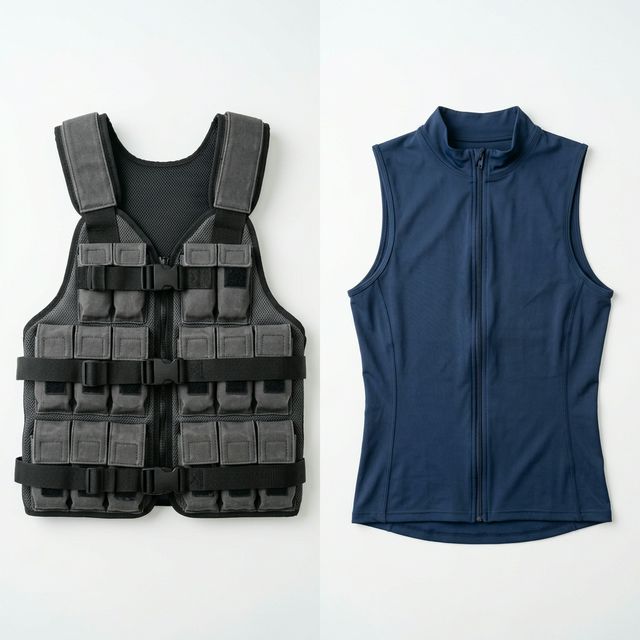
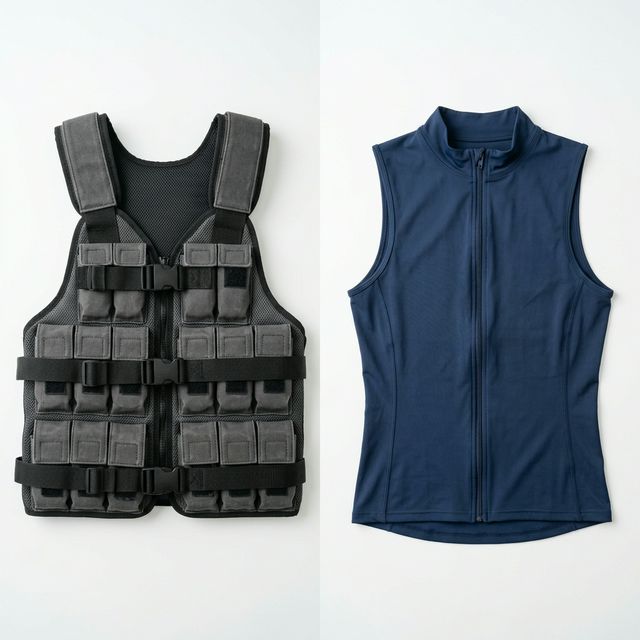
Choose a compression shirt or tank when the person wants broad torso pressure. Choose a body sock when the person needs active resistance, crawling, stretching, or full-body input.

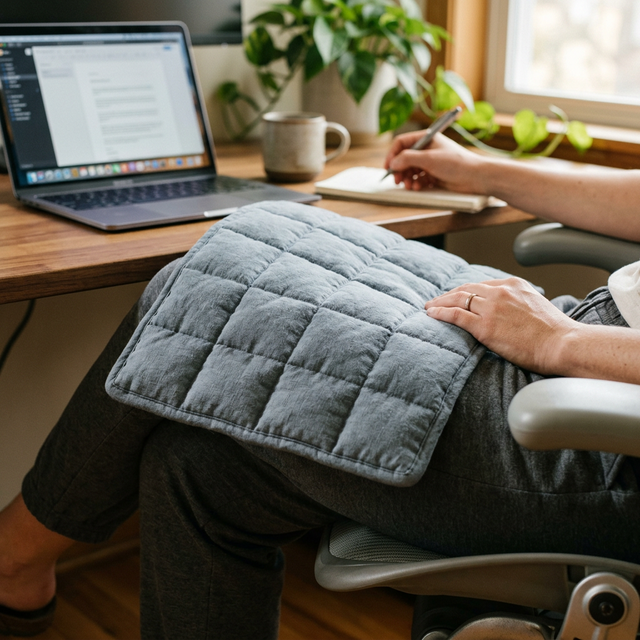
Choose a weighted lap pad when the main need is grounded seated pressure. Choose fidgets when the person needs hand activity more than compression.

How to choose sensory sleeves

  • Fit comes first. Measure the arm and use the maker's sizing chart. Do not size down to force stronger pressure.
  • Fabric matters. Look for soft stretch fabric, flat seams, and washable materials if the user is sensitive to tags, heat, or scratchy textures.
  • Match the routine. Full arm sleeves may suit desk work; wrist or forearm sleeves may suit handwriting, drawing, or keyboard use.
  • Trial before relying on it. Use the sleeve during a calm period first, then decide whether it belongs in school, work, travel, or sensory-break routines.
  • Keep expectations realistic. A sleeve may improve comfort for some users, but it should not replace occupational therapy, medical care, sleep support, or behavioral planning when those are needed.

Sensory sleeves

People who want discreet arm or wrist pressure during handwriting, desk work, school, travel, or screen time.

Fit: Should feel snug and even, never tight enough to cause tingling, cold fingers, pain, or skin color changes.

Compare sensory compression sleeves

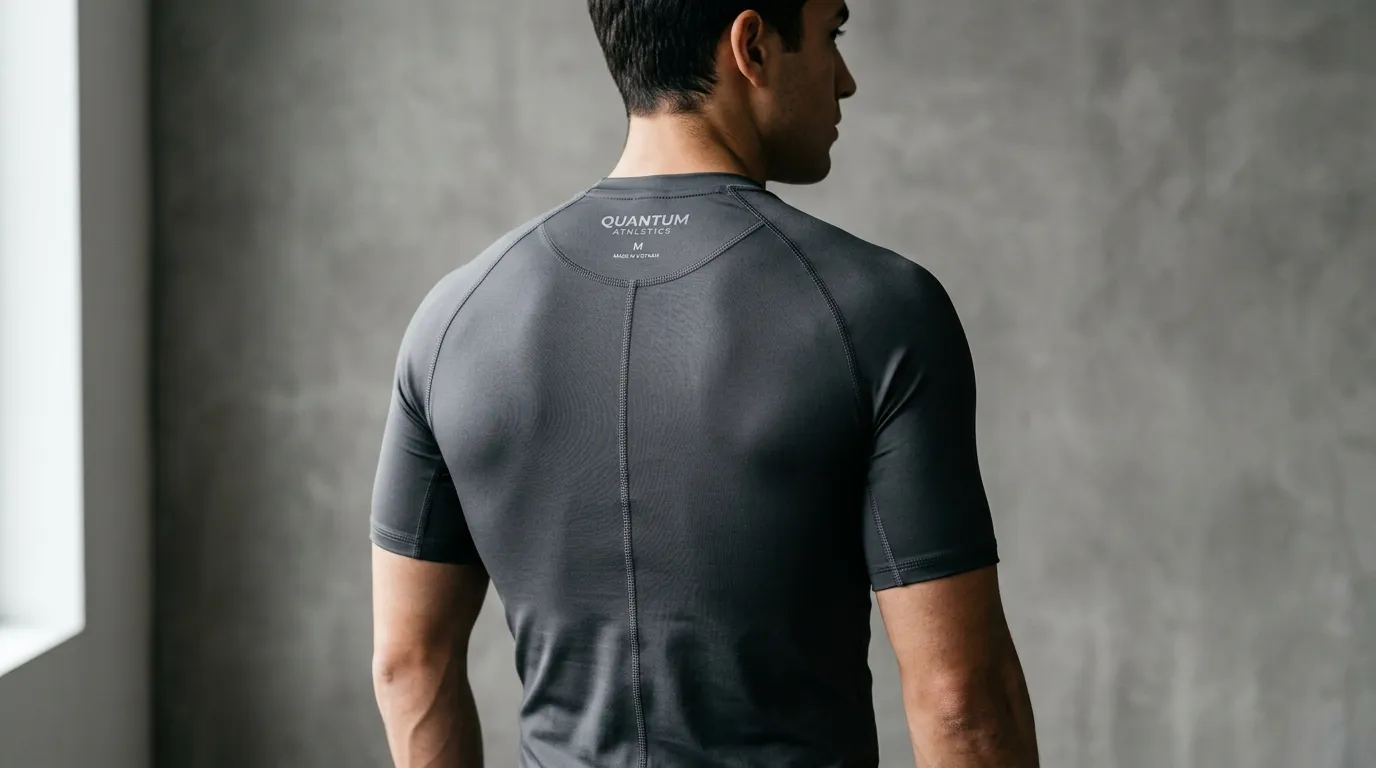
Compression shirts and tanks

People who prefer steady torso input under regular clothing.

Fit: Start with short trials and choose breathable, tagless fabrics when heat or texture sensitivity is an issue.

Read the compression clothing guide

Compression vests

Children, teens, or adults who want adjustable pressure around the trunk.

Fit: Use adjustable garments carefully; pressure should support comfort, not restrict breathing or movement.

Compare compression vests

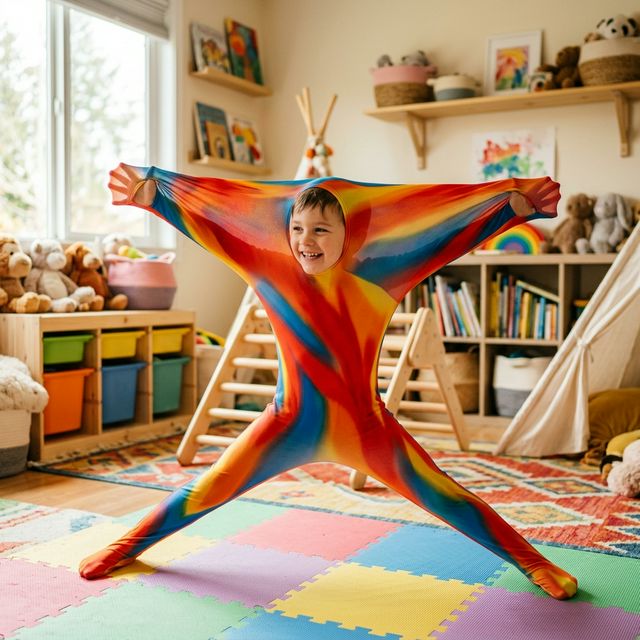
Body socks

Sensory seekers who want active, full-body resistance rather than a garment worn under clothes.

Fit: Use on a clear, soft surface with supervision for children and anyone with balance concerns.

Read body sock benefits

Safety rules for sensory compression tools

  • Keep pressure non-restrictive. Sleeves should feel snug, not painful or tight enough to restrict blood flow.
  • Stop immediately for warning signs. Remove the tool if there is numbness, tingling, cold fingers, skin color change, breathing restriction, panic, pain, or skin irritation.
  • Use short trials first. Start with 10-20 minutes and build only if the wearer wants to continue and can remove the garment independently.
  • Ask a clinician when medical risk is present. Get medical or occupational therapy guidance for circulation issues, neuropathy, skin fragility, respiratory conditions, severe claustrophobia, seizure risk, or complex medical needs.

Sources and further reading: AOTA sensory integration intervention ideas, Watling and Hauer sensory intervention review, and VandenBerg weighted vest pilot study.

Sensory Tool Articles

Frequently Asked Questions

Common questions about sensory sleeves, compression tools, and deep pressure supports.

What are sensory sleeves?
Sensory sleeves are snug elastic sleeves worn on the arms, wrists, or sometimes legs to provide steady, non-restrictive compression. People use them for proprioceptive feedback, tactile comfort, and a discreet sensory support during school, work, travel, or seated tasks.
Are sensory sleeves the same as compression sleeves?
They overlap, but the purpose can differ. Sensory sleeves are usually chosen for comfort, body awareness, and regulation routines. Sports or medical compression sleeves may use firmer compression, so fit and safety checks matter before using them as sensory tools.
How tight should a sensory sleeve be?
A sensory sleeve should feel firm and evenly snug, not restrictive. Stop using it if there is numbness, tingling, cold fingers or toes, pain, skin discoloration, breathing restriction, panic, or skin irritation.
What are sensory tools and how do they work?
Sensory tools are objects, garments, or activities designed to provide specific sensory input, including tactile, proprioceptive, vestibular, visual, or auditory input. They may help some people feel more organized or comfortable, but responses are individual and they should not be treated as medical cures.
What is the difference between a sensory sleeve, compression vest, and body sock?
A sensory sleeve targets the arms or legs, a compression vest targets the torso, and a body sock provides full-body stretchy resistance during supervised movement. The right choice depends on where the person likes pressure and whether they need a discreet wearable or an active sensory break.
What is the difference between a weighted lap pad and a weighted blanket?
A weighted lap pad is designed for seated use at school, work, meals, or travel. A weighted blanket provides broader pressure while resting or sleeping. Both can provide deep pressure input, but they fit different routines and should be sized conservatively.
How long should deep pressure activities be used?
Start with short sessions, often 10-30 minutes depending on the tool and the user. Longer use is not automatically better. Build in breaks, watch for discomfort, and use occupational therapist guidance when a child or medically complex user needs a sensory plan.