
Autism
Best Weighted Blanket for Kids with Autism: A Research-Backed Parent's Guide (2026)
Autism in the title is not a kids weight. Desk notes on sensory profile, independence test, and when to skip overnight weight.
· 5 min read
Some autistic sensory seekers want firm input. Some don't. Deep pressure — vests, weighted blankets, body socks, compression sheets — is a support strategy for the first group, not a treatment for autism. This desk maps the existing tools on this site, the safety skips, and the public CDC and OT guidance we actually cite.
Already wants squeeze
Support tool only
Supervised, removable
Don't force pressure
The short answer: it can give some autistic people the firm, predictable input they already seek. It cannot treat autism, and it is a bad buy when the person is a sensory avoider.
CDC describes autism as a developmental disability that often includes different ways of learning, moving, or paying attention, plus restricted or repetitive behaviors. Among those, CDC lists unusual reactions to the way things sound, smell, taste, look, or feel. On the clinician-facing diagnosis page, DSM-5 criterion language includes hyper- or hyporeactivity to sensory input — too much, too little, or both, depending on the person and the setting.
A CDC Autism and Developmental Disabilities Monitoring Network analysis of 25,627 autistic children found documented sensory features in about 74% of the records reviewed (Kirby et al., ADDM surveillance). That is a population finding about sensory features, not a claim that three in four autistic people want a weighted blanket.
CDC's treatment and intervention overview is equally plain: current approaches try to reduce symptoms that get in the way of daily life, and plans usually involve more than one professional. Occupational therapy on that page is about daily living skills — dressing, eating, relating to people — and may include sensory integration work to help with input that feels restrictive or overwhelming. A vest SKU is not that plan.
AOTA's public sensory integration and processing topic says occupational therapy practitioners identify and address sensory challenges with individualized interventions. The same page tells practitioners not to provide sensory-based interventions to a child or youth without documented assessment of sensory processing difficulties. This desk follows that: we compare listings and published guidance. We do not diagnose, prescribe, or claim a home trial replaces an OT.
We did not lab-test these products. The notes below come from manufacturer specs, public CDC and AOTA pages, and the longer guides already on this site. If a clinician has already said to avoid chest weight, tight garments, or overnight restriction, stop here.
Start with the tool type that matches the person's sensory profile, setting, and safety needs.
Bedtime weight for kids who already like being tucked in and can push the quilt off
VestWearable torso squeeze for school or outings when the wearer can unzip it
SockAwake, supervised full-body resistance for seekers who want to push and stretch
SheetSnug sleep fabric without fill weight — cooler than most weighted quilts
PadSeated classroom or desk weight before anyone tries overnight blankets
MoveHeavy work and resistance that do not require a product aisle
Sensory seekers are not one shopping query. A kid who crashes into furniture at 4 p.m. needs a different object than an adult who wants a quieter bedtime wrap. Use the table, then read the linked page before you click a thumbnail.
| If the need is | Try first | Skip if |
|---|---|---|
| School-day torso input they can refuse | Compression vest or a snug shirt | They cannot unzip it, or PE and recess need a free trunk |
| Homework or mealtime fidget that stays on a lap | Weighted lap pad | Weight would sit on the chest, neck, or a child who cannot shove it off |
| Bedtime for someone who already likes being tucked in | Kids weighted blanket or the autism kids buying guide | Under age 2, cannot remove it, or a clinician flagged breathing risk |
| Snug sleep without bead weight or extra heat | Compression sheets | Infants or toddlers; anyone who cannot exit the wrap or pull fabric off their face |
| Awake, full-body resistance and crashing play | Body sock | Panic in hoodies, no face opening, or you wanted a sleep product |
| Regulation without buying another object | Proprioceptive activities and a sensory-diet plan | Joint injury risk, or you are using “heavy work” to delay an OT referral |
Amazon autism aisles sell “sensory calm” as a personality. The useful question is narrower: does this person want firm input in this setting, can they refuse or remove it, and is the weight or squeeze sized to a body rather than a marketing age band?
A well-fitted vest will not rewrite a loud cafeteria, a scratchy uniform, or a night of untreated apnea. If the person’s hard hours are mostly about communication, transitions, or sleep medical issues, start with the people who already know them — pediatrician, OT, teacher — before another Amazon tab.
CDC’s about autism page says treatment plans are catered to the individual and usually involve multiple professionals. Complementary products sit beside that work, not in front of it. Talk with a healthcare professional before you add weight or tight fabric for anyone with breathing, seizure, circulation, mobility, or complex medical needs.
Existing product pages to compare after the safety pass:
Sources: CDC autism signs and symptoms, CDC treatment and intervention, CDC about ASD, CDC DSM-5 diagnostic criteria, CDC ADDM sensory-features analysis, and AOTA sensory integration and processing. This page is informational, not medical advice.
Autism in the title is not a kids weight. Desk notes on sensory profile, independence test, and when to skip overnight weight.
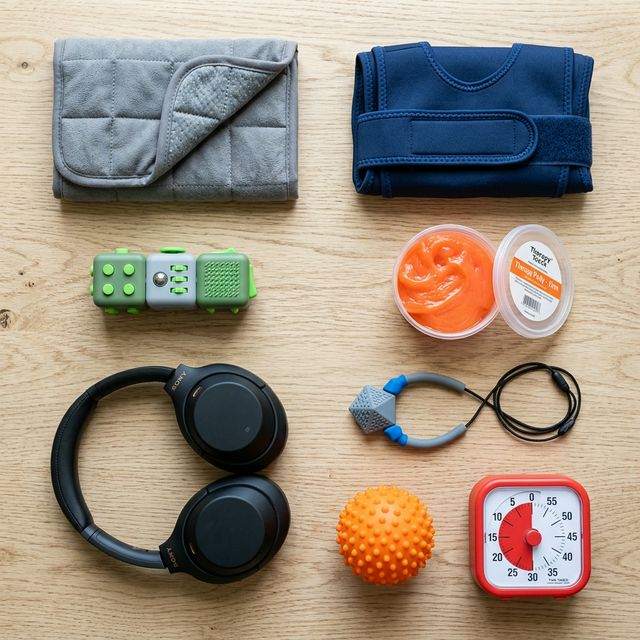
How Temple Grandin's squeeze machine uses deep pressure therapy to help autistic people self-regulate, plus the at-home alternatives worth knowing about.
A research-based guide to the best deep-pressure sensory tools for autistic adults — weighted blankets, compression wear, and lap pads.
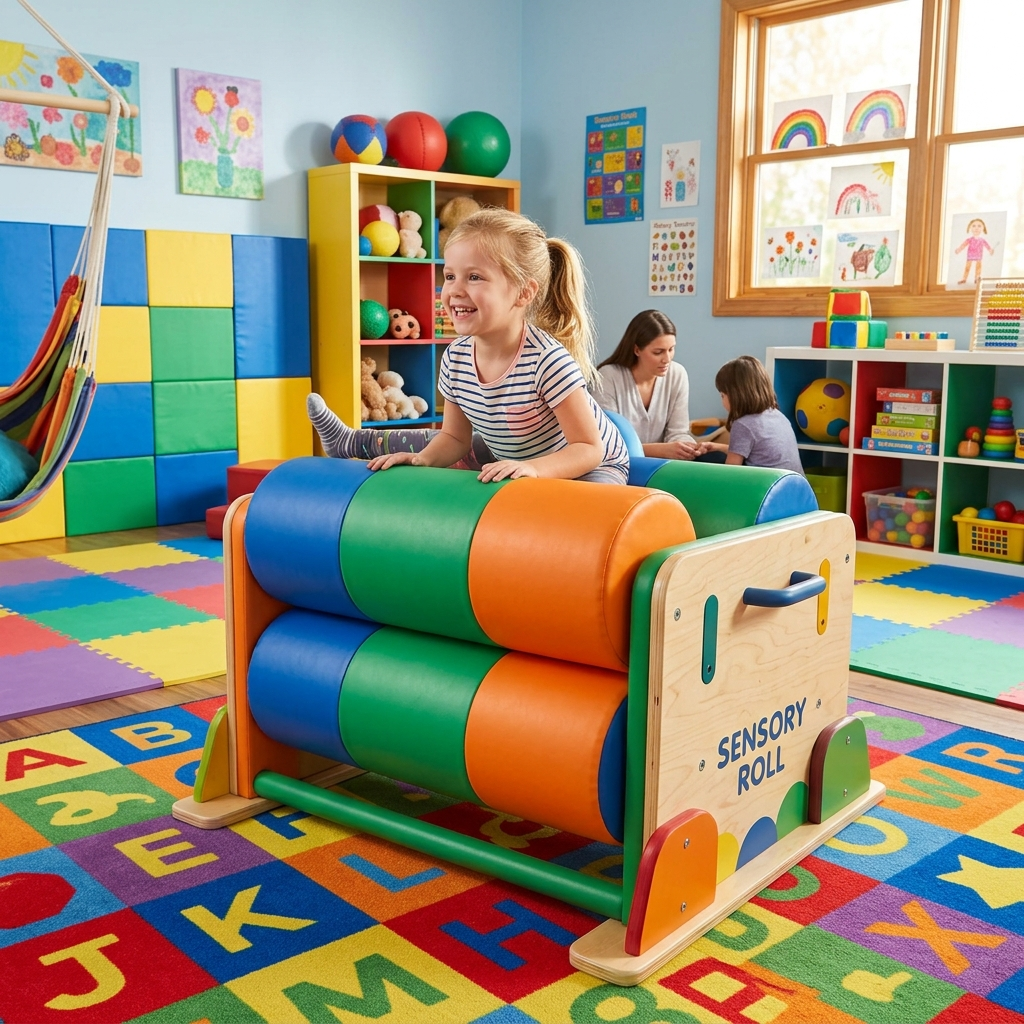
Clinic steamroller vs home squeezer: skip rules, tension checks, and listing notes — not a cortisol device.

Body sock sensory benefits, body sock vs compression sheet differences, best picks, safety rules, and how to use Lycra sensory socks safely.
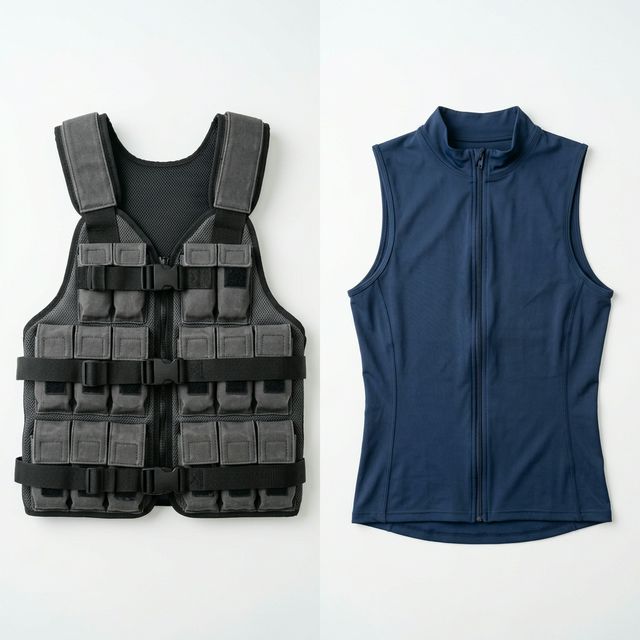
Compression clothing for autism and SPD: shirts, vests, skip flags, and listing checks Amazon titles skip.

Home sensory room layout, lighting, and pressure tools. Closet nooks vs clinic rooms, skip flags, listing checks.

Office compression layers for SPD, ADHD, or autism: mmHg trap, kids-vest skip, and listing checks Amazon work titles skip.

Discreet desk tools vs kids sensory kits. When to skip, listing checks, and workplace skip flags.

Adult deep-pressure toys vs kids SKUs. Skip pediatric pastel sold as adult — listing checks Amazon titles skip.
OT in the Amazon title is a badge. Input-first sensory comfort products, and when to skip a seven-category haul.
Body socks provide full-body proprioceptive input for sensory seekers. Learn how they work, who benefits, sizing, activities, and safety tips from OT research.

Kids compression vest wear time: 15–30 minute intervals, break signs, and listing checks a schedule cannot skip.

Discreet autistic-adult work tools vs ADA shopping lists. Skip flags, listing checks, not a fidget catalog.
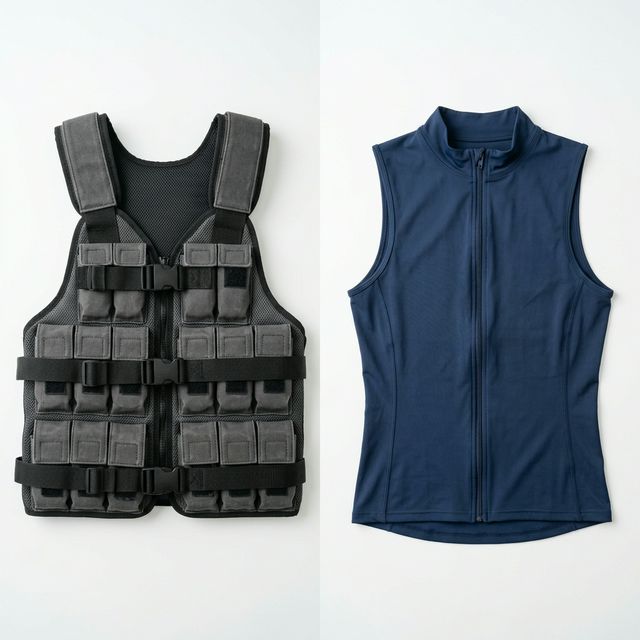
Weighted vest vs compression vest: input type, wear schedule, chest-measure sizing, and listing checks Amazon skips.

Pod, platform, hammock, and doorway sensory swings: joist vs drywall, weight-limit conflicts, and when to skip the install.

Weighted, compression, or tactile: skip rules and listing checks before you buy a sensory blanket.

DPS guide for autistic adults, how sensory differences affect work and daily life, plus self-regulation tools and workplace strategies that help most.

Kids weighted blanket safety: 10% weight ceiling, independent removal, listing checks, and when to skip the buy.
![Deep Pressure Stimulation: The Complete Science-Backed Guide [2026]](/images/hero/dps-guide.jpg)
Everything you need to know about deep pressure stimulation. How it works, its benefits, and how to use it for anxiety, autism, and sleep.

A comprehensive guide to deep pressure therapy for children with autism. Learn about weighted blankets, compression vests, and sensory tools recommended by OTs.
Common questions about deep pressure stimulation for autism.