Squeeze Machine for Autism and Sensory Processing: A Complete Guide
How Temple Grandin's squeeze machine uses deep pressure therapy to help autistic people self-regulate, plus the at-home alternatives worth knowing about.
DeepPressureStimulation.com editorial team
Site desk, DeepPressureStimulation.com ·
📖 Table of Contents
Affiliate Disclosure: As an Amazon Associate we earn from qualifying purchases. Some links on this page are affiliate links - if you buy through them, we receive a small commission at no extra cost to you. This never influences which products we recommend. Full disclosure policy · How we make money
As an Amazon Associate we may earn a commission from qualifying purchases made through links on this page, at no extra cost to you.
A squeeze machine—sometimes called a hug machine or deep pressure device—is one of the most distinctive tools in sensory integration therapy. It applies firm, evenly distributed pressure across much of the body, and for many autistic people and individuals with sensory processing differences, that pressure is deeply calming. The concept is inseparable from its inventor, Dr. Temple Grandin, who designed the first machine in the late 1960s and went on to study its effects formally.
This guide explains what a squeeze machine is, how deep pressure is thought to work on the nervous system, who tends to benefit, and how a clinical machine compares with the smaller, more affordable deep-pressure tools you can actually use at home. It is based on published research, occupational therapy practice guidance, and aggregated user feedback—this is research-based analysis, not hands-on product testing.
What Is a Squeeze Machine?
A squeeze machine is a device with two padded, hinged side panels that gently close around a person who is lying down between them. The panels distribute pressure across the trunk, arms, and legs simultaneously, mimicking the feeling of being held in a firm, sustained hug. A defining feature of Grandin’s design is that the person inside controls the amount and duration of pressure, typically through a hand lever. That autonomy matters: forced or uncontrolled pressure can feel threatening rather than calming.
Grandin was inspired as a teenager by watching cattle relax inside a hydraulic squeeze chute at her aunt’s Arizona ranch. She recognized that the same kind of deep, even pressure that calmed the animals also quieted her own anxiety, so she built a device to deliver it on demand. You can read her own account of the machine and her broader body of work on Temple Grandin’s website.
The design has been adapted many times since. Clinics and sensory rooms may house large pneumatic or motorized machines, while the same underlying idea—controlled, full-body deep pressure—shows up in scaled-down tools like roller “steamrollers” that a person rolls through, heavy body socks, and stretchy compression sheets.
How Deep Pressure Affects the Nervous System
A squeeze machine is really an engineered way of delivering deep touch pressure—the firm, distributed stimulation that appears to shift the autonomic nervous system toward a calmer state. Rather than triggering the light-touch pathways that many sensory-sensitive people experience as alerting or even painful, deep pressure engages receptors associated with down-regulation.
The proposed mechanism is parasympathetic activation, specifically a shift away from the fight-or-flight response that can dominate during anxiety and sensory overload. This is thought to involve the vagus nerve and the release of neurotransmitters such as serotonin and dopamine, with a corresponding reduction in measurable arousal. We cover that physiology in more depth in our guide to the vagus nerve and deep pressure, and you can find a broader overview in our primer on what deep pressure stimulation is.
It is worth being precise here: the neurochemical claims are common in both clinical and popular writing, but much of the supporting evidence is indirect. The measurable, consistently reported outcome is a subjective sense of calm and reduced anxiety, and that subjective relief is itself the primary reason people seek out these tools.
Who Can Benefit from a Squeeze Machine
Squeeze machines and equivalent deep-pressure tools are most often used by:
- Autistic children and adults who seek deep pressure as a way to self-regulate. Many autistic people describe firm pressure as grounding when they feel overstimulated or overwhelmed.
- People with sensory processing disorder (SPD) who are under-responsive to light touch but respond well to firm input. Our deep pressure therapy for SPD guide covers this population in detail.
- Adults with anxiety or trauma-related arousal who find that steady pressure lowers their baseline tension.
- Some individuals with ADHD who use proprioceptive input to improve focus—a topic we explore in our deep pressure stimulation for ADHD guide.
A core idea here is proprioceptive input—feedback to muscles and joints that helps the brain locate the body in space. Firm pressure is a rich source of proprioceptive input, which is one reason occupational therapists fold it into structured proprioceptive input activities for adults and into a broader sensory diet.
What the Research Says
Grandin formalized her observations in a 1992 paper, “Calming effects of deep touch pressure in patients with autistic disorder, college students, and animals,” which reported reductions in anxiety and arousal among users of the machine. That paper and related work are indexed in the PubMed research database.
Subsequent research into deep pressure—including studies on related tools like weighted blankets—has been promising but mixed. Some trials report measurable improvements in anxiety or sleep, while others find limited or statistically inconclusive effects. The honest summary is that the evidence base supports deep pressure as a reasonable, low-risk tool that many people find helpful, rather than as a proven treatment for any condition. For that reason, the American Occupational Therapy Association (AOTA) frames sensory-based interventions like deep pressure within individualized, therapist-guided practice rather than as one-size-fits-all prescriptions. For a wider look at the literature, see our overview of the science behind deep pressure stimulation.
Types of Squeeze Machines and At-Home Alternatives
Full squeeze machines are large, specialized, and usually found in clinics, schools, or dedicated sensory spaces rather than homes. If you are considering one for a dedicated space, our sensory room design guide covers layout, padding, and safety considerations.
For home use, several devices deliver the same deep-pressure principle in more accessible forms:
- Sensory steamrollers (squeeze rollers). A padded roller that a person rolls beneath, applying pressure as they move through. These are the closest scaled-down analog to a squeeze machine; see our sensory squeeze rollers and steamrollers guide.
- Body socks. Stretchy, full-body Lycra sacks that provide constant, gentle compression. They are cheaper and more portable than a machine—read about body sock sensory benefits, or browse options on Amazon.
- Compression sheets. A fitted, stretchy sheet that hugs the mattress, giving full-body pressure during sleep. See our best compression sheets guide.
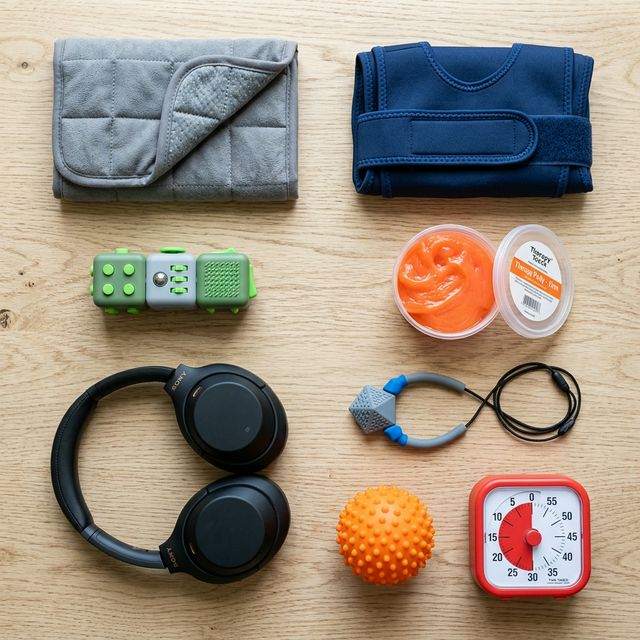
- Weighted vests, lap pads, and blankets. Smaller, targeted pressure tools. Compare them in our guide to weighted blanket alternatives, or look at weighted lap pads on Amazon.
These alternatives will not fully replicate the sustained, controllable full-body pressure of a clinical machine, but they capture the same mechanism at a fraction of the cost and footprint.
DIY and Budget-Friendly Pressure Tools
If a commercial machine is out of reach, the underlying idea is inexpensive to approximate. Rolling a child firmly in a gym mat, applying steady rolling-pin-style pressure down the back, or layering cushions for a “sandwich” squeeze all deliver deep pressure using items you already own. Our DIY deep pressure stimulation guide and our list of deep pressure activities at home walk through these methods step by step. They are a practical way to test whether someone responds well to deep pressure before investing in dedicated equipment.
Squeeze Machine vs. Other Deep Pressure Tools
How does a squeeze machine compare with the tools most people actually use? The key distinction is coverage and control. A squeeze machine applies even pressure to nearly the whole body at once, with the user setting the intensity. A weighted blanket distributes weight passively while you lie still; a weighted vest gives targeted daytime pressure; and a body sock offers light, constant compression without the heavy, sustained input of a machine.
No single tool is “best”—they serve different moments. A machine or steamroller suits an active regulation break; a blanket suits rest; a vest suits the school or workday. Many people layer several of these into a personalized sensory diet.
Safety and Practical Considerations
Deep pressure is generally low-risk, but a few principles matter:
- Keep the user in control. Grandin’s design is built around self-administered pressure. Avoid holding someone down or applying pressure they cannot release.
- Protect breathing. Pressure should never compress the chest in a way that restricts breathing—particularly relevant for very young children and anyone with respiratory concerns. We discuss breathing safety in the context of weighted gear in our article on whether weighted blankets can worsen sleep apnea and breathing issues.
- Supervise children. Kids should always be supervised with any deep-pressure device, and pressure should be introduced gradually.
- Work with an OT when possible. An occupational therapist can help identify the right tool, pressure level, and wear schedule. This guidance is especially valuable when introducing a vest or structured routine.
How to Decide If a Squeeze Machine Is Right for You
A full squeeze machine makes the most sense when someone clearly seeks deep pressure for regulation, has the space and budget for specialized equipment, and—ideally—has guidance from an occupational therapist. For most households, starting with a steamroller, body sock, or compression sheet is the more practical way to test whether deep pressure is calming before committing to a larger device. If the response is positive, you can build outward into a sensory room or a fuller deep pressure therapy routine for autism.
Frequently Asked Questions
Is a squeeze machine only for autistic people? No. It was designed by an autistic person for autism-related sensory needs, but the same deep-pressure principle helps many people with anxiety, SPD, ADHD, or general stress. Anyone who finds firm pressure calming may benefit.
Does insurance cover a squeeze machine? Coverage varies widely and typically requires documentation from an occupational therapist and a documented clinical need. It is worth checking with your provider, but most families pay out of pocket and start with cheaper alternatives first.
Can I build my own squeeze machine? Yes—plans based on Grandin’s design have circulated for decades, and many families build DIY versions. If you build one, prioritize user control of the pressure and breathing safety. Our DIY deep pressure tools guide is a good starting point for lower-pressure projects.
How is a squeeze machine different from a weighted blanket? A squeeze machine applies active, controllable pressure to most of the body at once, while a weighted blanket applies passive weight while you are still. They rely on the same underlying mechanism but suit different moments in the day.
The bottom line: a squeeze machine is a powerful embodiment of a simple idea—that firm, controllable, full-body pressure can help an overstimulated nervous system settle. Whether you invest in a clinical machine or start with a steamroller, body sock, or compression sheet, the goal is the same: give the body the deep input it is seeking, on the user’s own terms.
DeepPressureStimulation.com editorial team
Site desk, DeepPressureStimulation.com
The DeepPressureStimulation.com editorial team writes guides to weighted blankets, compression wear, and sensory tools from peer-reviewed research, published occupational-therapy guidelines, manufacturer specifications, and community reviews. The desk is not a licensed occupational therapy practice or medical clinic, and nothing here is medical advice — always consult a qualified healthcare provider before starting a new therapy.
Stay Informed, Stay Calm
Get science-backed articles on deep pressure therapy, weighted blankets, and sensory tools delivered to your inbox. No spam — just calm.
📬 No spam, ever. Unsubscribe anytime.