Compression Clothing for Anxiety: How Deep Pressure Garments Calm the Nervous System
Daytime compression for anxiety: squeeze is not a protocol. Skip flags and listing checks.
DeepPressureStimulation.com editorial team
Site desk, DeepPressureStimulation.com ·
📖 Table of Contents
Affiliate Disclosure: As an Amazon Associate we earn from qualifying purchases. Some links on this page are affiliate links - if you buy through them, we receive a small commission at no extra cost to you. This never influences which products we recommend. Full disclosure policy · How we make money
Updated September 14, 2026 | Byline: DeepPressureStimulation.com editorial team
As an Amazon Associate we may earn a commission from qualifying purchases made through links on this page, at no extra cost to you.
A squeeze is not an anxiety protocol. That is the unique angle on this page. A snug shirt can feel like a hug. It is not psychotherapy, not medication, and not a guarantee that a racing heart will slow because a listing said “calming compression.”
This is a research-desk note from the DeepPressureStimulation.com editorial team. We compare size charts, fabric claims, and the language Amazon uses on “anxiety compression” titles. We did not run a wear trial in a clinic. Compression clothing is not a treatment for anxiety disorders.
Fit-first shopping without the mechanism lecture is how to choose compression clothing for anxiety. Autism and SPD garment types live on compression clothing for sensory processing. Autistic-adult work context is sensory tools at work. Daytime weight instead of squeeze is vests and lap pads. ADHD product types are on the DPS ADHD guide. Start at the anxiety hub if you are still picking an aisle.
Medical disclaimer: Informational only. Not medical advice. The NIMH overview of anxiety disorders is the care starting point. Ask a clinician before regular tight garments if you have circulation, clotting, neuropathy, cardiac, or breathing concerns, or if tight clothing already triggers panic.
What compression clothing is (and isn’t)
Compression clothing is any garment engineered to sit close to the skin and hold a steady squeeze — athletic baselayers, sensory shirts, stretchy vests, leggings, socks. The pressure is passive while worn. A massage or a blanket is something you notice mostly when you stop moving.
Two clarifications matter:
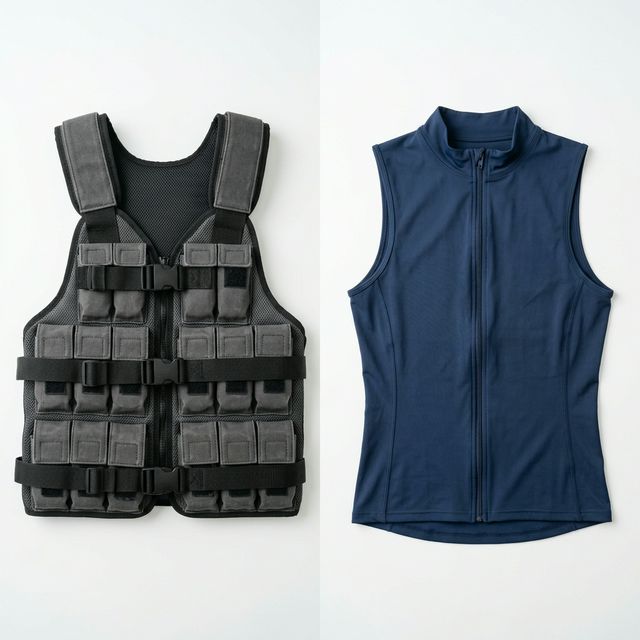
- Compression is not the same as weight. A compression vest squeezes. A weighted vest loads. Different channels, different skip rules. The weighted vest vs compression vest page is the fork.
- Compression clothing is not a medical device for anxiety. Comfort and self-regulation only. Nothing you wear replaces evidence-based care.
Why pressure can feel grounding — without a hormone story
Deep pressure stimulation is firm, distributed touch, as opposed to light brush. Temple Grandin’s 1992 squeeze-machine paper is about controlled deep touch, not a shirt SKU. Harvard Health’s stress-response overview is useful background on sympathetic vs parasympathetic language. We do not have a lab that measured your cortisol in a baselayer.
The practical framing many readers already know: a predictable squeeze gives the nervous system one boring signal to attend to. For some people that interrupts an interoceptive spiral. For others, tight fabric is the spiral. If a garment makes you feel trapped, that is data. See Can a Weighted Blanket Make Anxiety Worse? for the same backfire on the blanket side. Vagus-nerve marketing copy lives on The Vagus Nerve and Deep Pressure — read it as mechanism talk, not a shopping guarantee.
What the research does — and doesn’t — say
There is no large body of randomized trials on compression clothing specifically for anxiety disorders. Most of the careful DPS research involves weighted blankets, and even there results are limited.
The 2020 Journal of Clinical Medicine weighted-chain trial (Ekholm et al.) measured insomnia scores in a psychiatric sample, not daytime shirts. It supports a broader premise: some people with anxiety-related symptoms find deep pressure more soothing than disruptive. It does not validate an “anxiety compression shirt” title.
The rest of the case is weaker: squeeze-machine literature, OT practice using garments as sensory supports, and unblinded buyer reviews. Treat glowing claims as possibilities. Effect sizes in anecdotes are not probabilities.
The main garment types for daytime anxiety
Compression shirts and tanks. Easiest to wear to work or a store without comment. Many people start with sports baselayers. The budget path is athletic compression shirts. Purpose-built sensory shirts tend to use softer seams and longer cuts. Browse compression shirts on Amazon
Adjustable vests. Side panels or hook-and-loop so you can loosen during a rough meeting. That exit matters more than a printed hug rating. Wear-time notes: compression vest wear time. Named adult vests: the adult compression vest guide covers SPD wearing schedules, sizing windows, and ADHD framing, with Harkla and Compresso-T as the named picks. Browse compression vests on Amazon
Lower-body compression. Leggings or shorts when restlessness lives in the legs. Browse compression shorts on Amazon
Socks and sleeves. Localized. Often stacked with a shirt, not a replacement.
Sleep-specific options. Nighttime squeeze is a different aisle: compression sheets. Overnight chest weight is a blanket problem, not a shirt problem — start at the sleep hub and the weighted-blankets hub.
Shirt vs vest vs sheet — pick the job
| Job | First trial | Skip |
|---|---|---|
| Daytime under clothes | Athletic or sensory shirt | Medical hose nobody prescribed |
| On/off during a meeting | Adjustable vest | Pullover you cannot peel |
| Legs only | Shorts or socks | Stacking four garments |
| Overnight squeeze | Compression sheet | A tight shirt you sleep in without a plan |
| Overnight weight | A blanket you can lift | A vest in bed |
If heat is the complaint, a vest plus a duvet is two heat sources. If panic includes breath-holding, start with a looser shirt or skip squeeze and try a lap pad instead. Autistic-adult office constraints — disclosure, lighting, headphones — stay on sensory tools at work. SPD garment types and kids-vest safety stay on compression clothing for sensory processing.
A cheap athletic shirt you already own is the honest first question. If that shirt does nothing, a $90 “anxiety vest” may also do nothing. If that shirt feels trapping, do not size down.
Before you build a wearing schedule
Most OT-flavored handouts favor intermittent wear over all-day wear when you are starting. A typical first pattern is 20–30 minutes during a known stress window — commute, meeting, crowded store — then off, so you can tell whether the squeeze helped or became the task. Some people later wear a light shirt all day. Others keep it on-demand. A printed grid is still a sketch. The sensory-diet page is the scheduling sibling, not a diagnosis.
Introduce a new garment at home first, on a low-stakes day. You want to learn the feel before you need it.
If fingers tingle, skin goes numb, or you cannot take a full breath, it is too tight. Take it off. Size up or shorten the block.
When to skip compression clothing for daytime anxiety
Skip a medical-grade mmHg garment nobody prescribed. Printed mercury on a sock is a circulation spec. An “anxiety 20 mmHg hug” title is usually borrowing that language.
Skip a kids vest chart sold as adult anxiety wear. Chest measure, not age.
Skip a pullover you cannot peel in a bathroom stall if tightness already triggers panic. Buy adjustable or skip the aisle.
Skip stacking a vest, a shirt, shorts, and a blanket because a caption said full-body pressure treats anxiety. One layer, one week.
Skip compression as a stand-in for care. If panic, trauma, or breathing is the event, a clinician comes first. We are not rewriting the panic or apnea siblings here.
Skip a garment that leaves deep marks for hours, cooks you, or makes you feel trapped. That is a stop, not a “push through.”
Skip a listing that says clinically tested or OT-approved when the brand is a no-name Amazon house label. This desk is not a licensed clinic.
Listing checks before you buy an anxiety garment
These are listing checks from the DeepPressureStimulation.com editorial team — charts and photos, not a wear trial we ran.
- Read squeeze vs weight. If the SKU adds pounds, you wanted the vest compare, not this page.
- Use the brand’s chest chart. Athletic brands often run small; sensory brands often build pressure into the size. Do not size down twice “for more therapy.”
- Prioritize tagless and flatlock seams. Review complaints are more often ridges than “not enough hug.”
- Check fabric and heat. Nylon–spandex cooks some people. Cotton blends stretch out faster. Neither is a treatment.
- Confirm you can dress without a fight. A calming tool that takes ten minutes to put on is a frustration trigger.
- Read care lines. High-heat drying kills spandex. If you will not air dry, expect the squeeze to fade.
- Keep the return window. A response is a couple of weeks of regular wear, not an unboxing.
- Named products we already track: Harkla, Fun and Function Compresso-T. Search links stay on
deeppressurestimulation-20. - How this site is paid: How We Make Money.
Compare compression shirts · Compare adult sensory vests
Frequently Asked Questions
How tight should compression clothing be for anxiety?
Firm enough that you notice even pressure, loose enough that you can breathe and do not feel pinched. Tingling, numbness, or lingering deep marks mean it is too tight. That is a fit fail, not a dose to increase.
How long can I wear it?
Many people wear a light shirt through a workday. Structured vests are usually shorter blocks when you start — for example 20–30 minutes — then off. See the wear-time guide. Stop for heat, distress, or restricted breathing.
Does it work immediately?
Some people notice a grounding feel in minutes. Others need the novelty to fade. Give a garment a couple of weeks of regular use before you judge it. We did not time a protocol.
Can compression clothing make anxiety worse?
Yes. Tight clothing can feel confining, especially with panic or breathing sensitivity. Try a looser cut, a shorter window, or a different input such as a lap pad. Stop if you feel trapped.
Is it different from a weighted vest?
Yes. Weighted vests add load; compression garments add squeeze. See the vest compare page. Do not buy both on day one.
Frequently Asked Questions
How tight should compression clothing be for anxiety?
Noticeable, not a tourniquet. Numbness means stop.
How long can I wear it?
Light shirts can go longer. Vests usually start in short blocks. Off if breathing changes.
Does it work immediately?
Sometimes. Give it regular wear, not one unboxing.
Can compression clothing make anxiety worse?
Yes. Trapped is a stop.
Is it different from a weighted vest?
Squeeze vs load. Different tools.
Explore More
DeepPressureStimulation.com editorial team
Site desk, DeepPressureStimulation.com
The DeepPressureStimulation.com editorial team writes guides to weighted blankets, compression wear, and sensory tools from peer-reviewed research, published occupational-therapy guidelines, manufacturer specifications, and community reviews. The desk is not a licensed occupational therapy practice or medical clinic, and nothing here is medical advice — always consult a qualified healthcare provider before starting a new therapy.
Stay Informed, Stay Calm
Get science-backed articles on deep pressure therapy, weighted blankets, and sensory tools delivered to your inbox. No spam — just calm.
📬 No spam, ever. Unsubscribe anytime.